 Port Cranes
  Overhead Cranes
 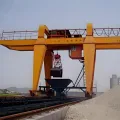 Gantry Cranes
 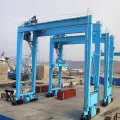 Rubber-Tired Gantry Cranes
 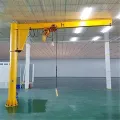 Jib Cranes
 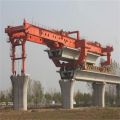 Bridge Beam Launcher
 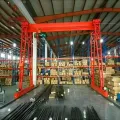 Light-duty Cranes
 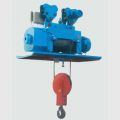 Electric Hoists
 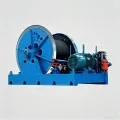 Electric Winch
 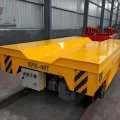 Electric Flat Car
  Crane Accessories
  Hydraulic Lifting Platform
  General Manufacturing
  Heavy Machinery Manufacturing
 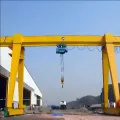 Bulk Cargo Yard
 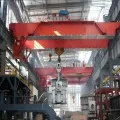 Metallurgical Industry
 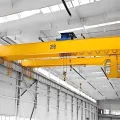 Power Industry
 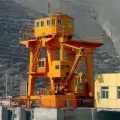 Hydraulic Engineering
 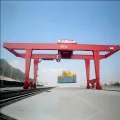 Railway/Rail Transit
 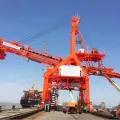 Port Terminal
 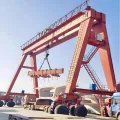 Construction and Engineering
 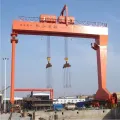 Shipbuilding
  Waste Recycling
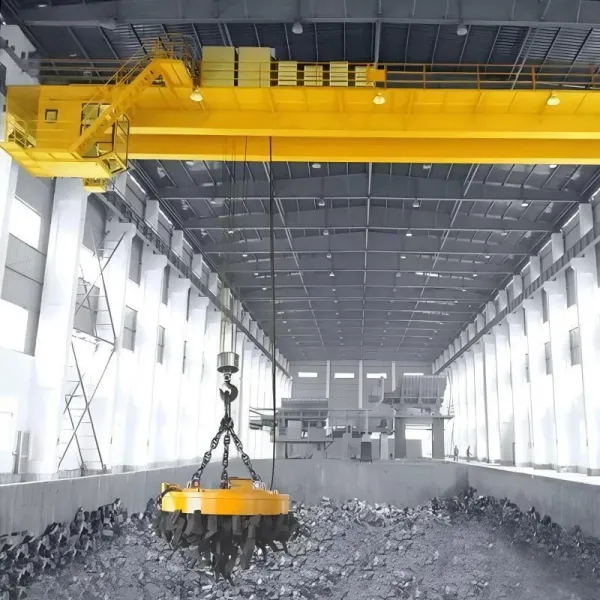
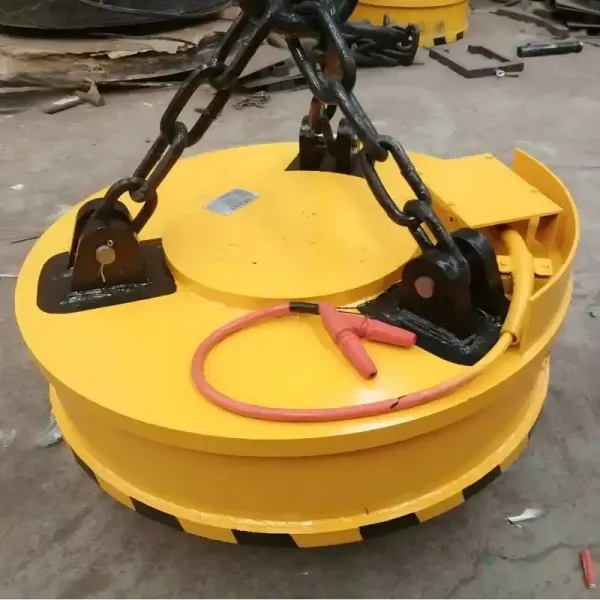
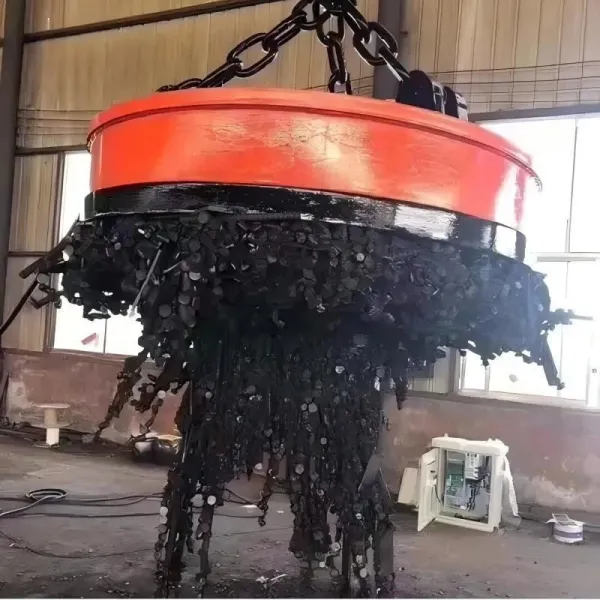
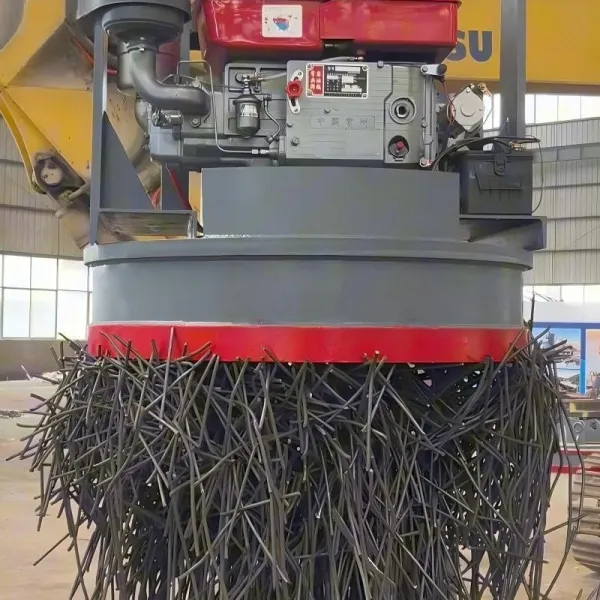
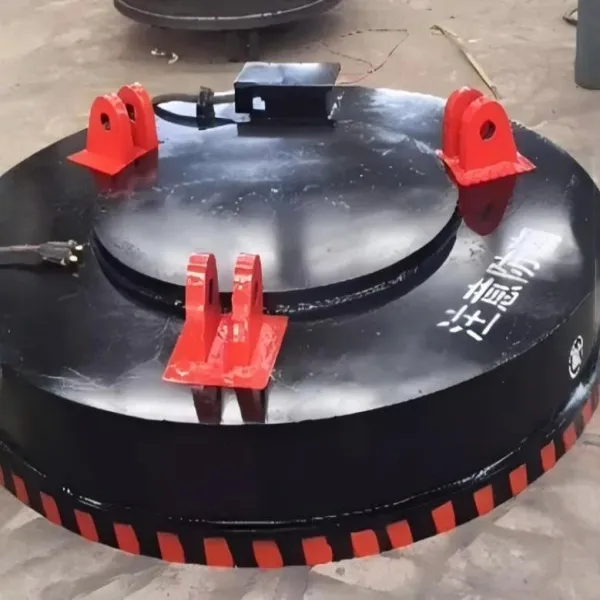
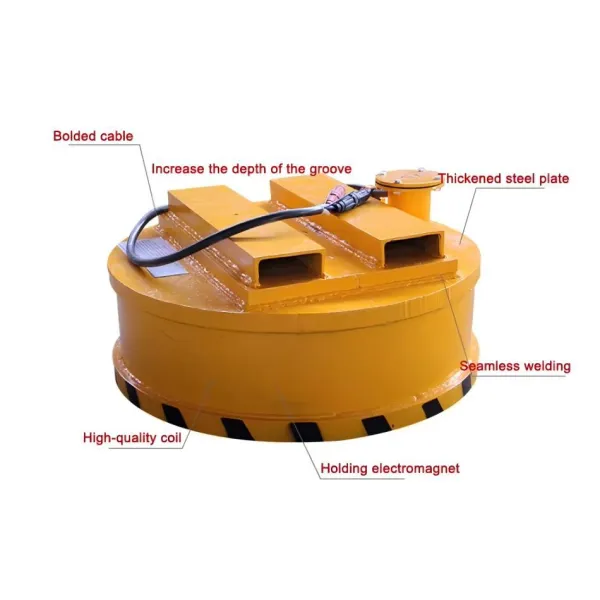


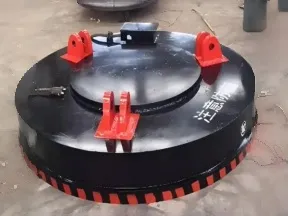
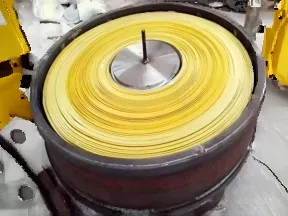
An Electromagnetic Lifter is a device that utilizes electromagnetic principles to generate magnetic force, enabling the adsorption of ferromagnetic materials (e.g., steel, iron products). Its core component is an energized coil, which produces a magnetic field when electrified, thereby achieving non-contact gripping or securing of workpieces.

Features of Electromagnetic Lifter
1. Core Advantages
High load capacity: A single chuck can lift loads up to tens of tons, meeting heavy-duty material handling requirements.
Rapid adsorption and release: Instant magnetic force generation upon energization and quick demagnetization after power-off, enhancing operational efficiency.
Non-contact gripping: Avoids mechanical damage to workpieces caused by traditional hooks, especially suitable for precision steel plates.
Remote control: Integrated with wireless remote or automated systems, enabling operation in high-altitude or hazardous environments.
2. Special Design Features
Power-off protection: Equipped with backup batteries or permanent magnet auxiliary devices to prevent material drop due to sudden power failure.
High-temperature resistance/dustproof: Customized protection levels (e.g., IP65) for harsh environments like steel mills and foundries.
Adjustable magnetic field: Adapts to metal materials of varying thicknesses and shapes by adjusting current or magnetic pole distribution.
Application Scenarios of Electromagnetic Lifter
1. Ports and Logistics
Lifting steel coils and metal profiles within containers for efficient dock loading/unloading.
Scrap metal recovery operations on scrap transport ships or storage yards.
2. Steel and Metallurgical Industry
Hot/cold rolling workshops: Transporting high-temperature steel plates or billets to rolling mills or cooling zones.
Continuous casting production lines: Gripping and transferring steel ingots to storage areas.
3. Machinery Manufacturing and Processing
Internal transfer of large workpieces (e.g., ship steel plates, bridge components) within workshops.
4. Waste Recycling and Treatment
Automotive dismantling plants: Lifting metal remnants from scrapped vehicles.
Waste sorting stations: Separating magnetic metal scraps from non-metallic garbage.
5. Special Industrial Scenarios
Nuclear power plants: Remote handling of radioactive metal components to minimize human intervention.
Foundries: Transferring high-temperature castings or furnace residues