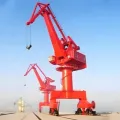
 Port Cranes
 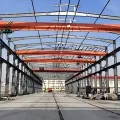 Overhead Cranes
 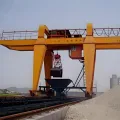 Gantry Cranes
 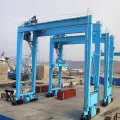 Rubber-Tired Gantry Cranes
 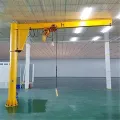 Jib Cranes
 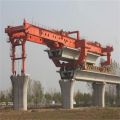 Bridge Beam Launcher
 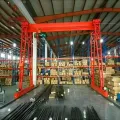 Light-duty Cranes
 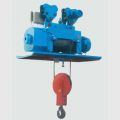 Electric Hoists
 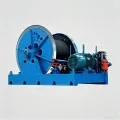 Electric Winch
 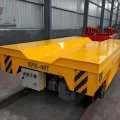 Electric Flat Car
 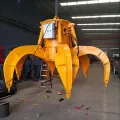 Crane Accessories
 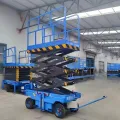 Hydraulic Lifting Platform
 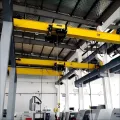 General Manufacturing
 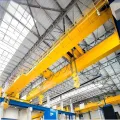 Heavy Machinery Manufacturing
 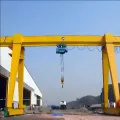 Bulk Cargo Yard
 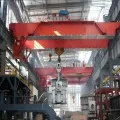 Metallurgical Industry
 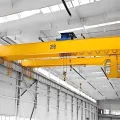 Power Industry
 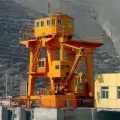 Hydraulic Engineering
 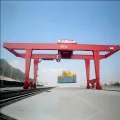 Railway/Rail Transit
 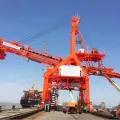 Port Terminal
  Construction and Engineering
  Shipbuilding
  Waste Recycling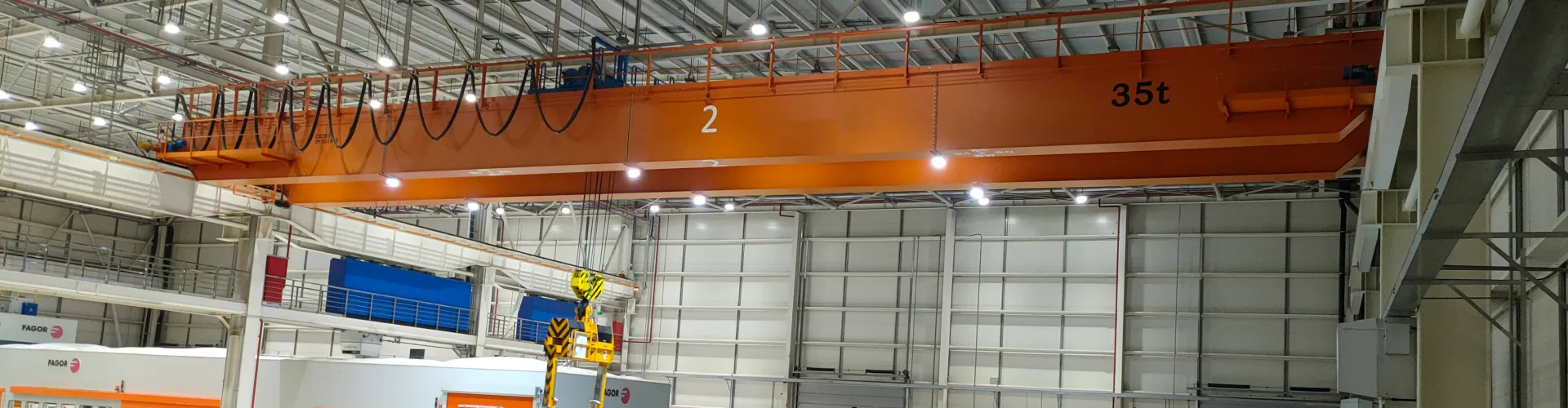
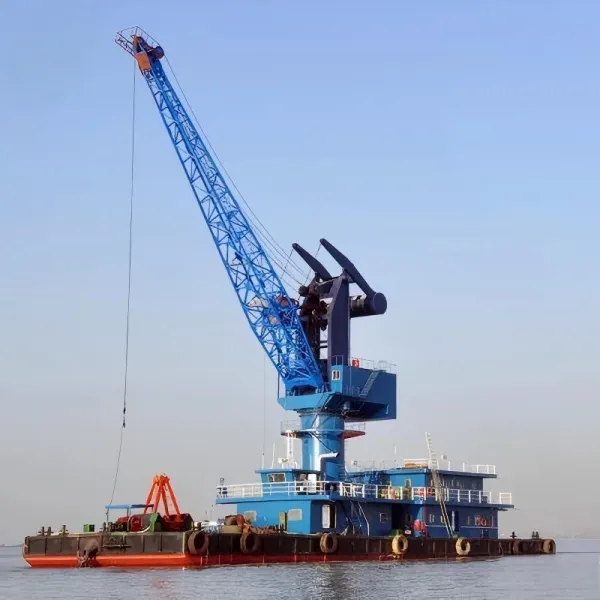
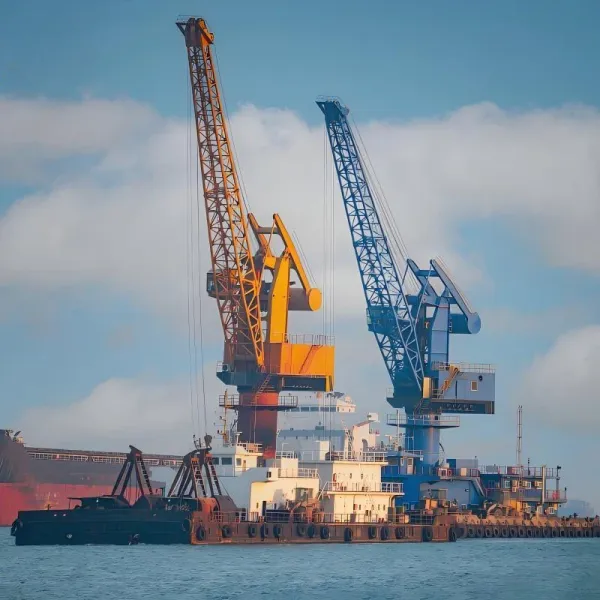
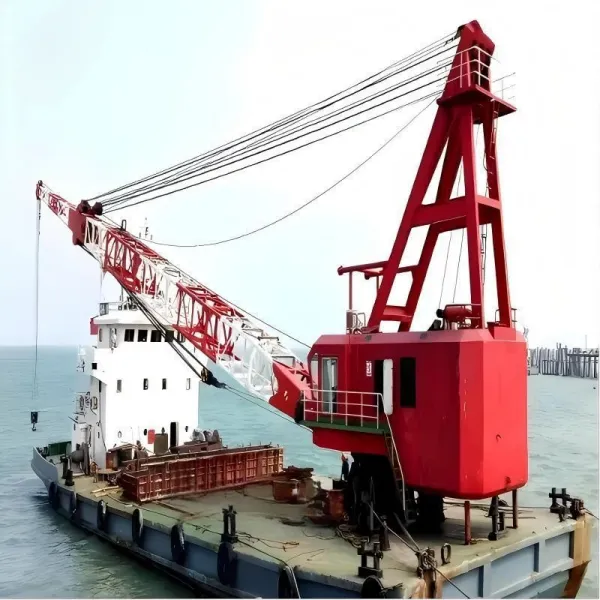
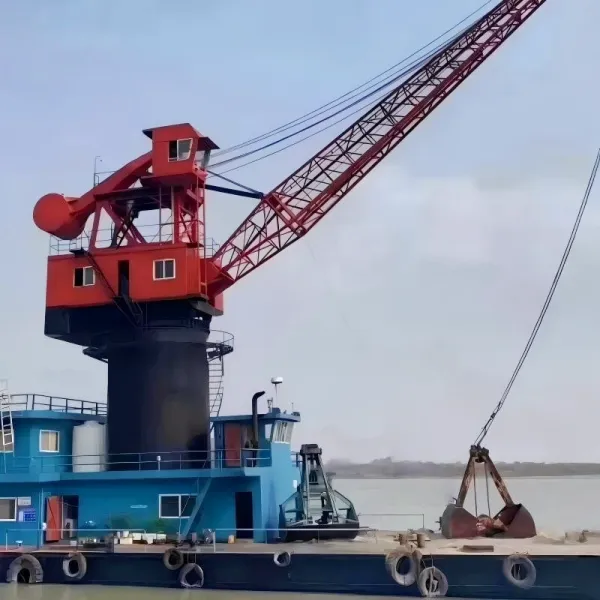


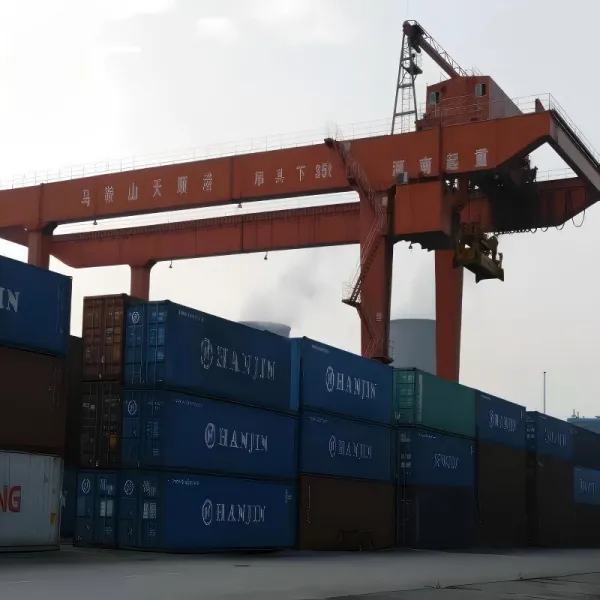
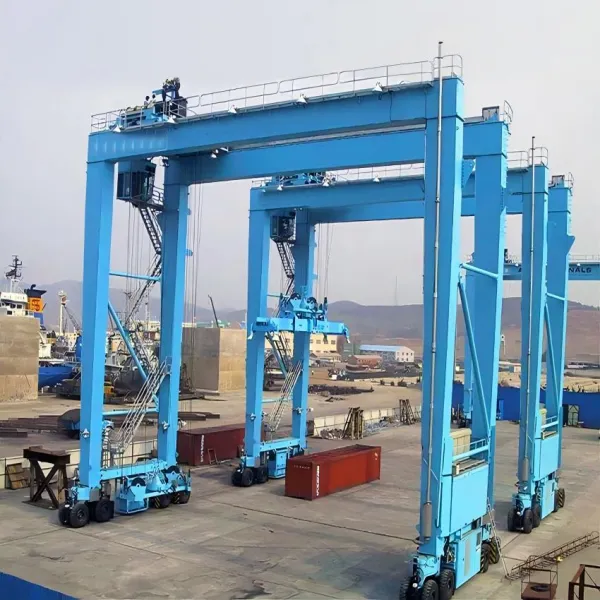
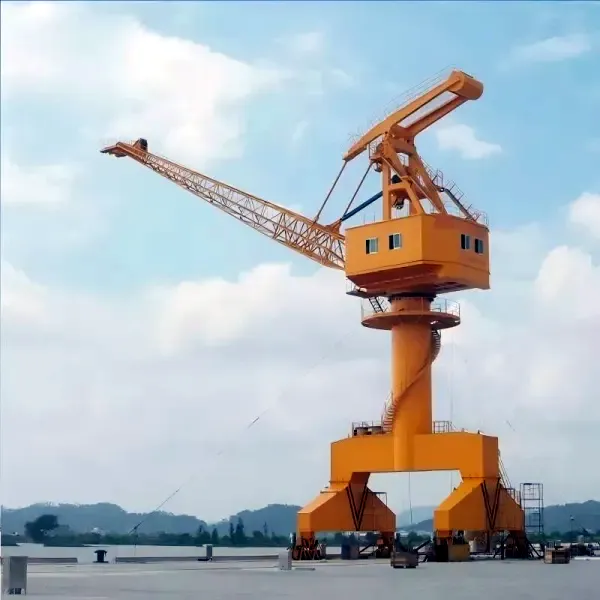
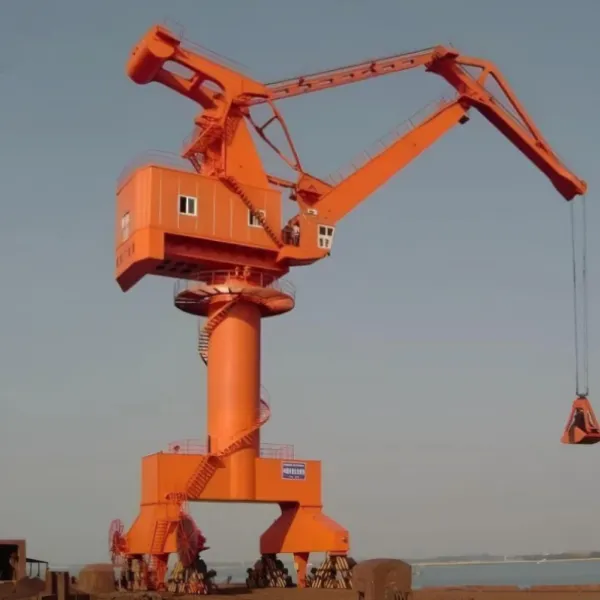
Floating Crane (also known as a floating derrick) is a heavy-duty lifting equipment mounted on vessels, docks, or floating platforms. It combines the operational capabilities of cranes and marine vessels, primarily used for cargo handling, installation of large structural components, salvage and rescue operations, and other engineering tasks in aquatic or nearshore areas. Equipped with specialized lifting attachments such as grabs, hooks, or customized rigging, it is designed to fulfill specific operational requirements in challenging marine environments.

Features of Floating Crane
Mobility:
Utilizes buoyancy from the vessel hull to operate freely in water bodies, requiring no reliance on fixed docks or shore-based infrastructure.
High Lifting Capacity:
Capable of hoisting super-heavy and oversized loads, such as cross-sea bridge components, offshore wind turbine installations, and marine engineering modules.
Adaptability to Harsh Environments:
Equipped with anti-sway and stabilization systems (e.g., dynamic ballast tanks, hydraulic compensators) to maintain operational precision under dynamic conditions like tides, waves, and wind loads.
Versatility:
Supports modular attachment interchange (e.g., grabs for bulk cargo, electromagnetic plates for steel materials, spreaders for containers) to handle diverse tasks across industries.
Applications of Floating Crane
Bridge and Port Construction:
Installation of bridge piers, lifting and positioning of caissons, and assembly of large-scale port machinery.
Offshore Energy Development:
Deployment of offshore wind turbine platforms, hoisting of oil drilling modules, and subsea pipeline laying operations.
Rescue and Salvage:
Emergency response tasks including shipwreck recovery, underwater obstacle removal, and disaster relief operations.
Bulk Cargo Transshipment:
Facilitates cargo transfer between bulk carriers and barges in areas lacking deep-water port infrastructure.
-
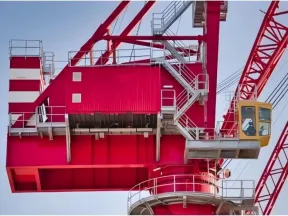 Electrical Room Houses power distribution cabinets, control cabinets, and electrical components. Responsible for power distribution, signal transmission, and system control, ensuring stable and reliable operation of the entire system.
 -
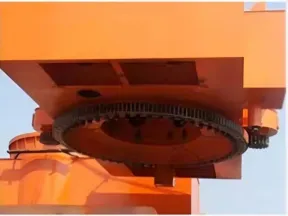 Slewing Mechanism Drives 360° horizontal rotation of the crane's upper structure (including the boom, operator's cab, etc.), expanding operational coverage and enabling flexible adjustment of lifting direction.
 -
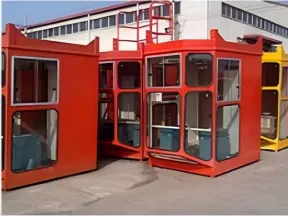 Operator's Cab Central control hub equipped with consoles, monitoring screens, and safety devices. Provides a panoramic view and centralized control over travel, hoisting, luffing, and other operations.
 -
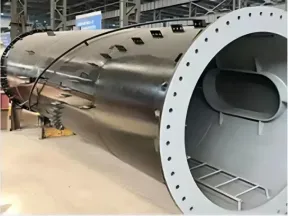 Cylinder The cylinder is connected with the running mechanism, the height can be customized,and it is made of high-quality steel.
 -
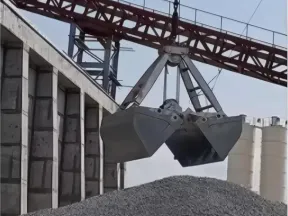 Lifting Attachment Configured for specific cargo types (e.g., hooks, grabs, or container spreaders). Directly secures or grips cargo to ensure safe and efficient loading/unloading.